Artist Statement
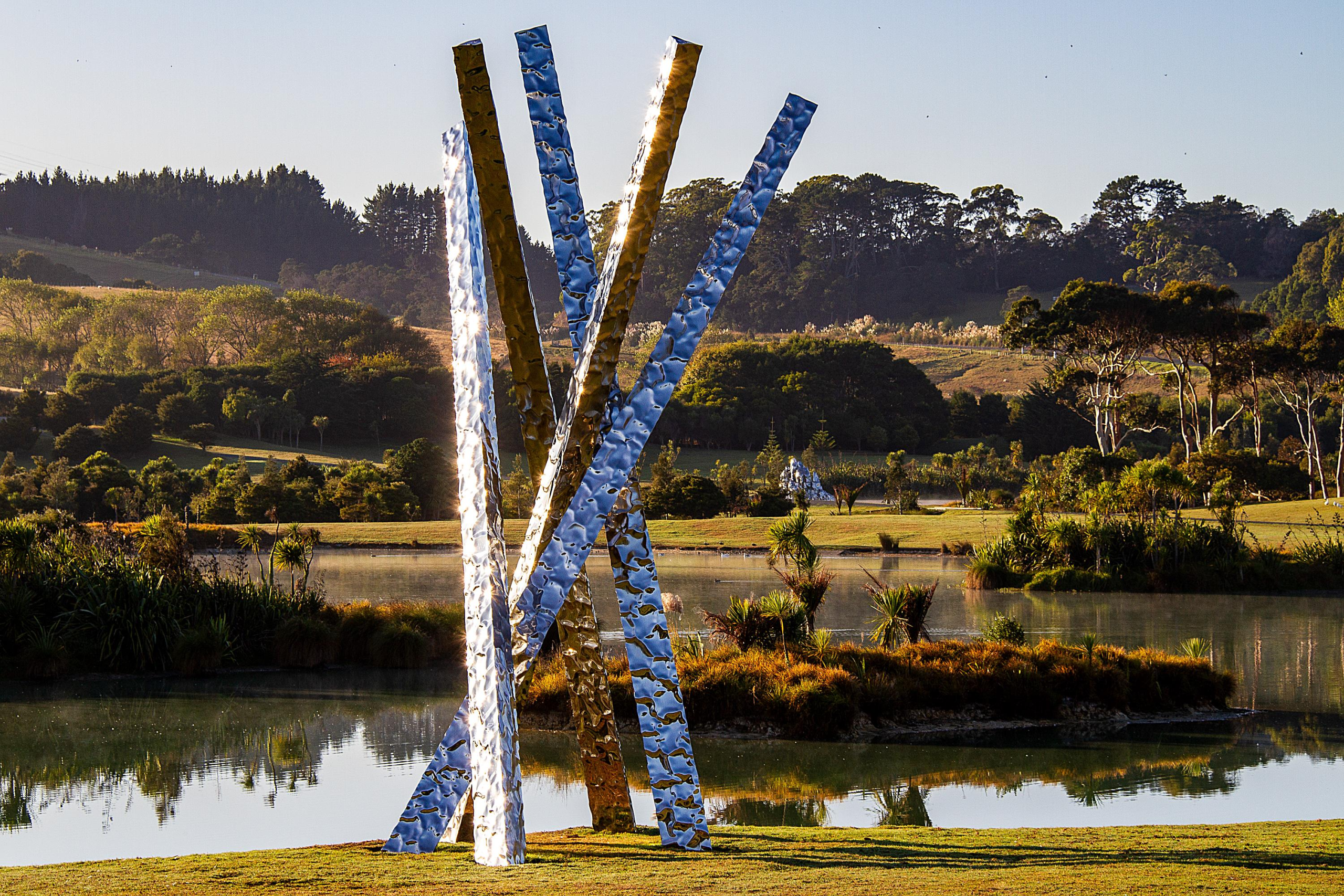
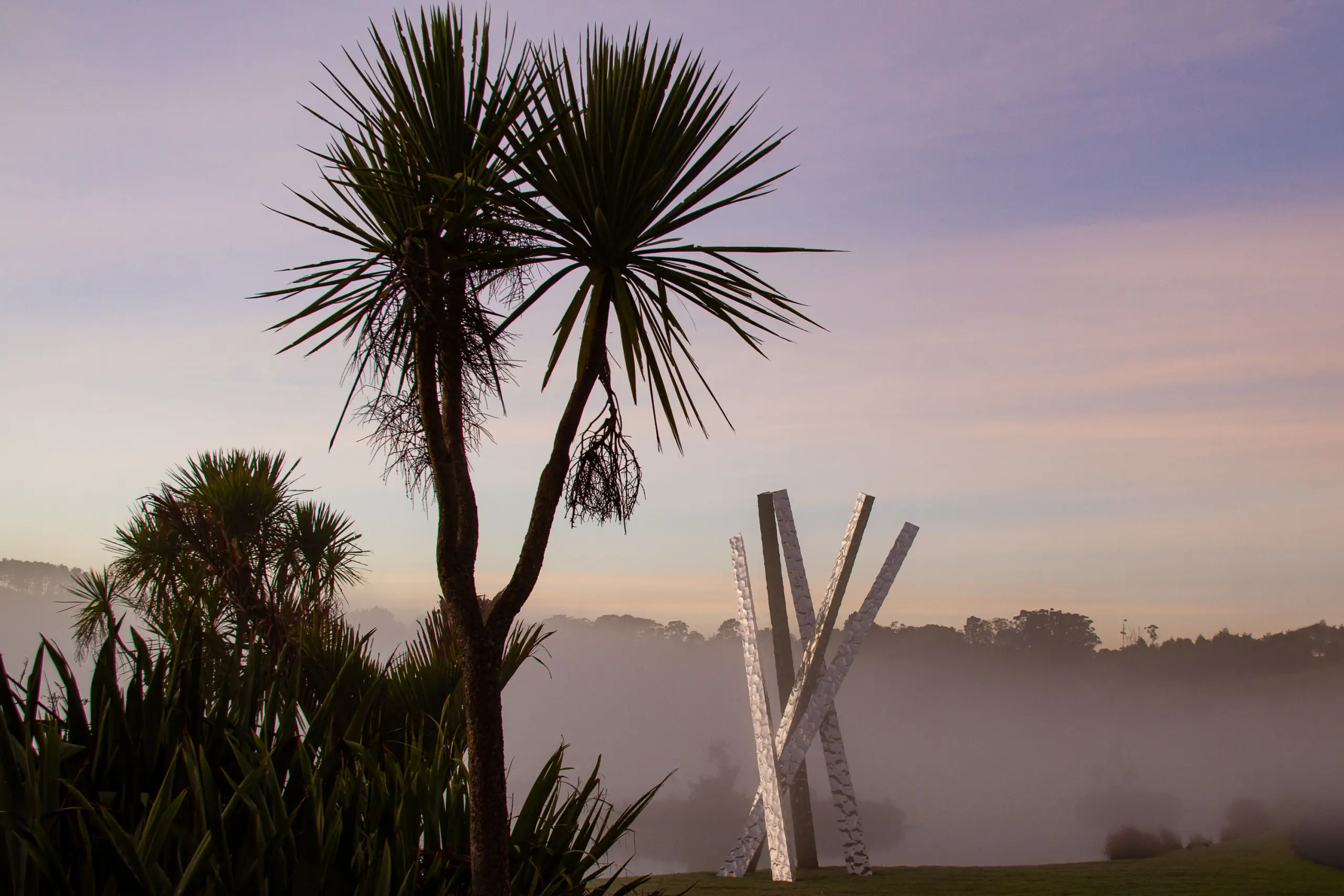
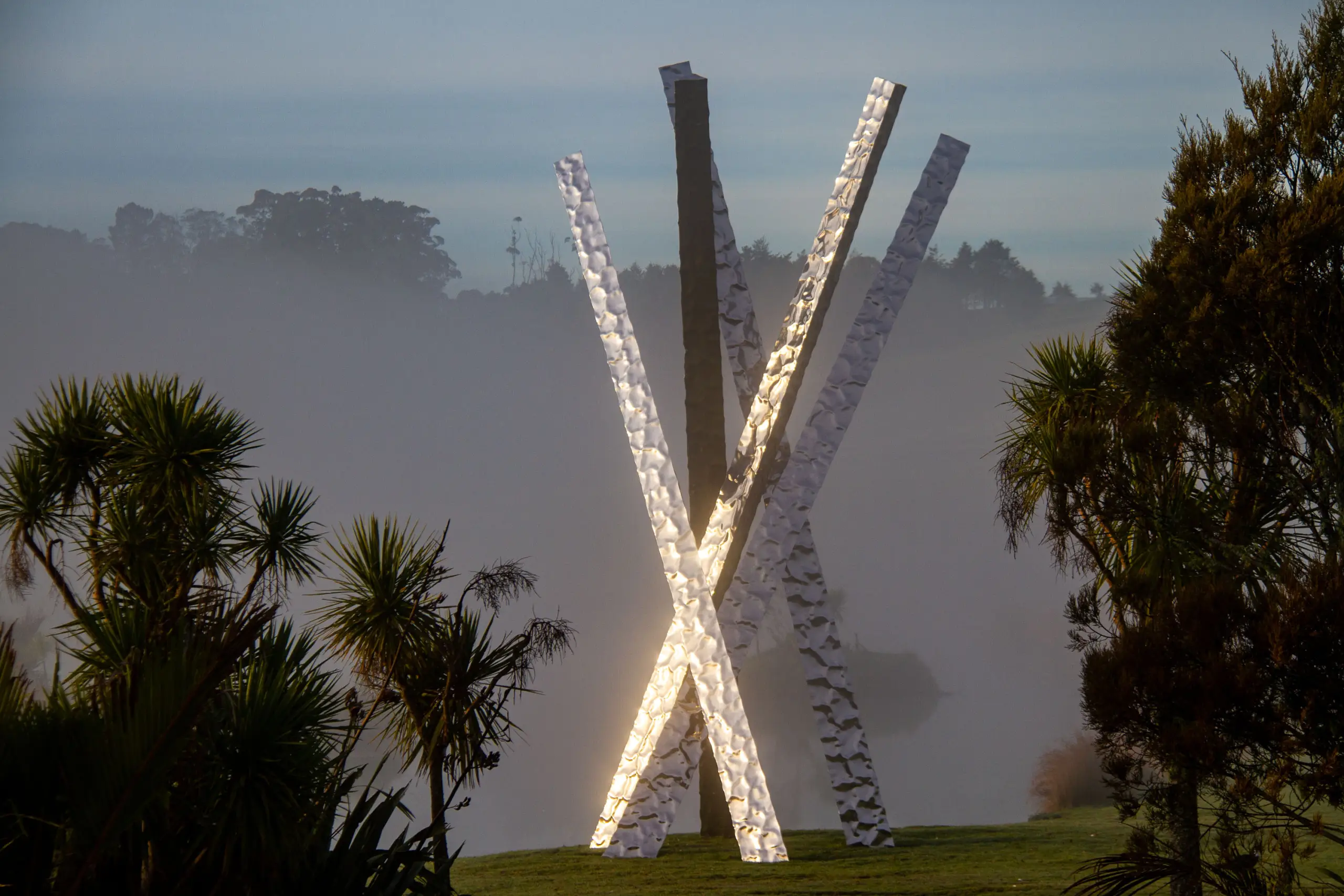
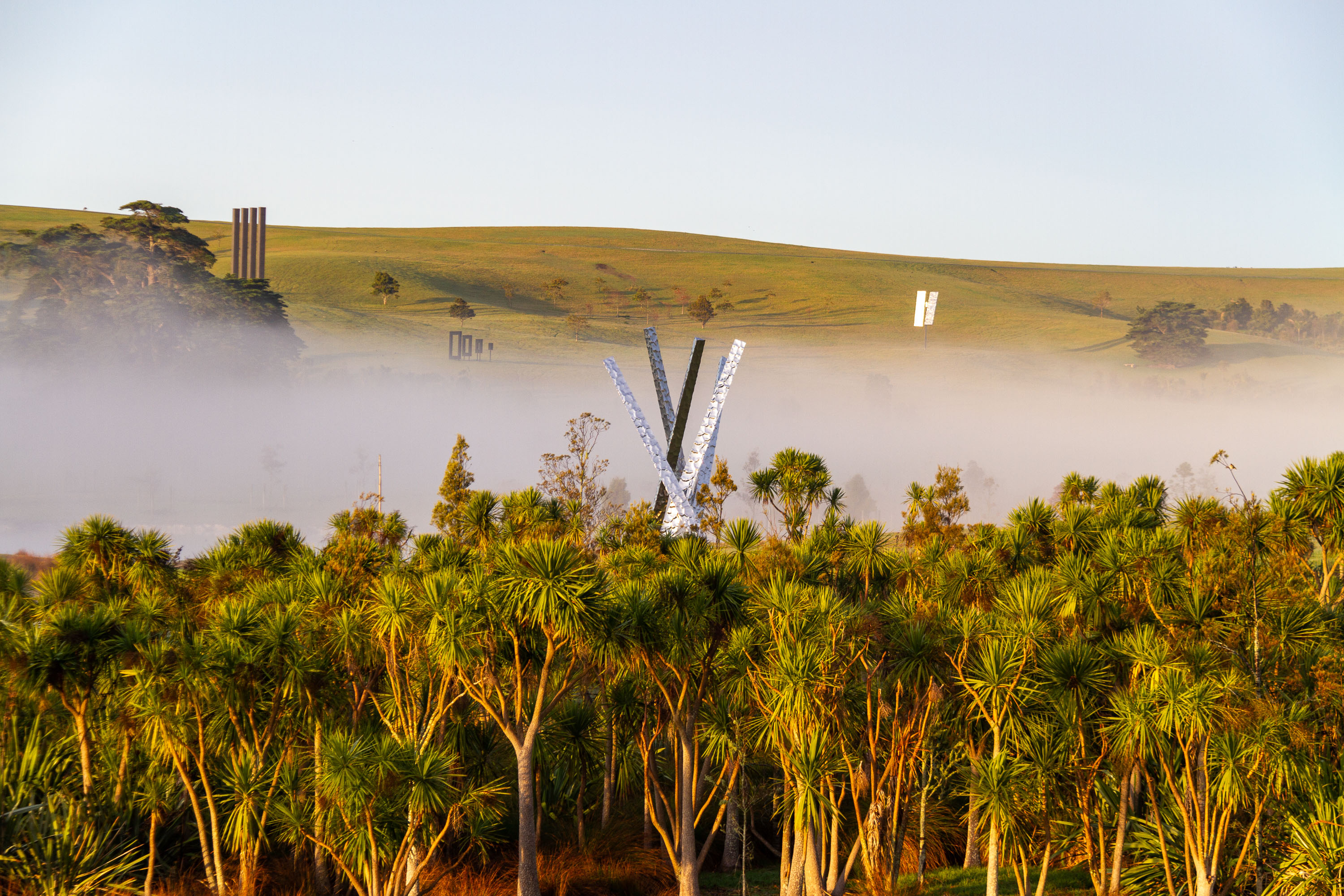
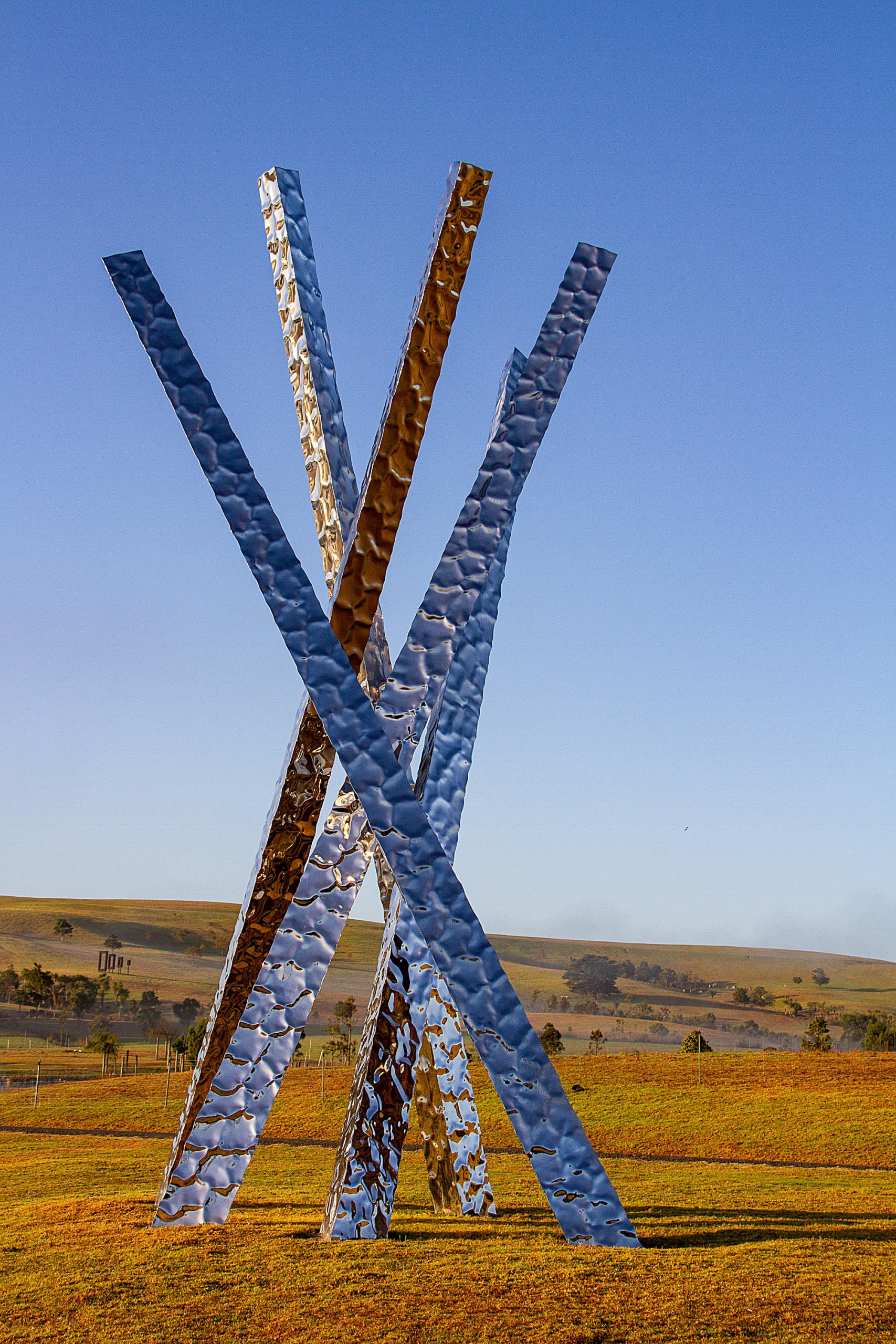
Transcendence is a landmark mirror-polished stainless-steel sculpture in which light, landscape and viewer become the moving image. Multiple vertical elements rise like prismatic columns; their liquid surfaces capture sky, horizon and the passer-by, stretching and folding reflections into a continuously re-written composition. At this scale the “Mercury Effect” transforms the entire site—what seems solid turns weightless, what’s distant appears close, and the work reads differently with every step and every change of weather.
The piece balances monumentality with finesse: from afar it forms a clear architectural silhouette; up close, micro-ripples in the polish break highlights into a fine, shimmering grain. The sculpture is not only seen—it actively edits the place where it stands.
1/1 Modern Exhibition
For public or campus settings, give Transcendence open breathing room on all sides. A 5–10 m viewing radius lets audiences orbit and see reflections recombine. Best results occur with soft, directional daylight (morning/evening) or carefully positioned floodlighting that paints long gradients across the columns. Keep the ground plane visually calm so the mirrored imagery remains crisp; low-saturation surroundings amplify the sense of elevation and clarity.
Maintenance is minimal: 316L marine-grade stainless steel resists corrosion; periodic gentle cleaning preserves optical quality.
1/2 Renaissance Works
Where Renaissance masters modeled form with chiaroscuro, this sculpture uses pure reflection—light becomes the medium. The verticals echo classical proportion and order, yet the content of the “picture” is the living world itself: clouds, people, architecture. The viewer’s own image enters the composition, completing the work through presence and motion.
Details
Mirror-polished 316L stainless steel (“Mercury Effect”)
Dimensions: 4.5 m × 6.3 m × 11 m
Year: 2020
Collection: Gibbs Farm (private collection)
Display: Public installation / large exterior site
Lighting: natural daylight or soft directional floodlighting; high-CRI recommended